
Robotic-assisted Knee Replacement
Home > robotic-assisted knee replacement
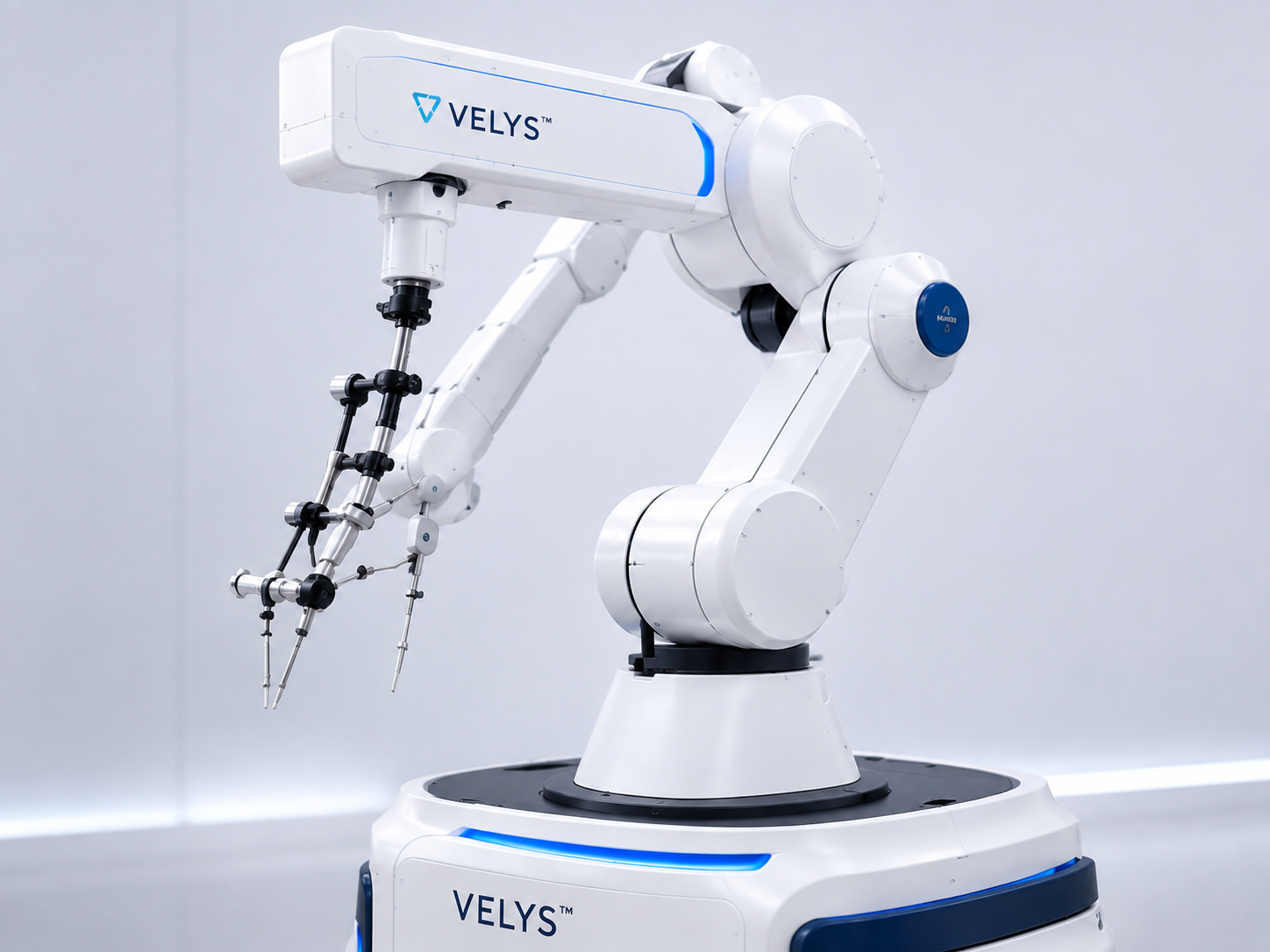
Robotic-assisted knee replacement in Vadodara is available at Ashutosh Hospital, where Consultant Orthopaedic Surgeon Dr. Kunal Shah performs total and partial knee replacement using the VELYS™ Robotic-Assisted Solution by Johnson & Johnson MedTech. VELYS is an imageless system – it needs no pre-operative CT scan – and it assists the surgeon with real-time, patient-specific planning and precise implant alignment. Every procedure is surgeon-led: Dr. Shah, Vadodara’s pioneering partial-knee (Microplasty) surgeon and Germany fellowship-trained in joint replacement, plans and performs the surgery, with the robotic platform enhancing the accuracy of execution rather than replacing the surgeon.
What is Robotic-assisted Knee Replacement?
Robotic-assisted knee replacement is a form of joint replacement surgery in which a computer-guided robotic arm helps the surgeon plan and carry out the operation with sub-millimetre precision. Before and during surgery, the system builds a three-dimensional model of the patient’s own knee anatomy, which the surgeon uses to plan the size, position, and alignment of the implant. During the operation, the robotic arm guides the surgeon’s bone preparation within the boundaries of that plan, correcting for the smallest deviations in real time.
It’s important to understand what “robotic-assisted” actually means: the surgeon remains the operator at every step. The robotic arm does not move on its own, make decisions, or perform any part of the procedure independently – it is a precision instrument in the surgeon’s hands, comparable to how GPS-guided tools assist (but don’t replace) a skilled pilot.
The key difference from conventional, manual jig-based knee replacement lies in how alignment is achieved. Traditional instrumentation relies on fixed, one-size-fits-all cutting guides and the surgeon’s visual and manual judgement. Robotic assistance replaces those fixed guides with a patient-specific digital plan that the robotic arm helps execute with greater consistency.
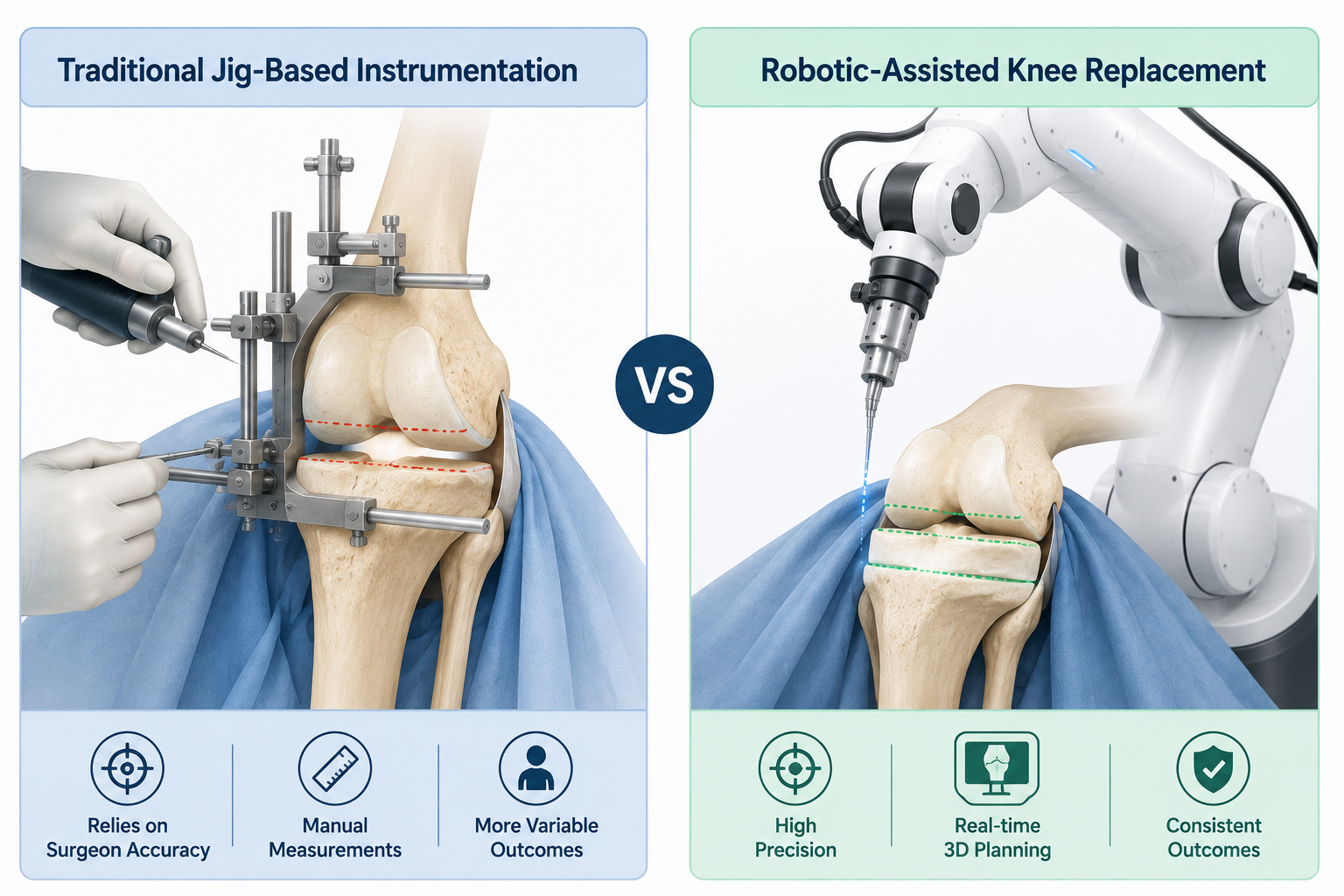
How the VELYS™ Robotic Platform Works
Ashutosh Hospital uses the VELYS™ Robotic-Assisted Solution, developed by Johnson & Johnson MedTech, for both total and partial knee replacement. The platform follows a simple three-beat workflow: Plan → Execute → Verify.
Plan. At the start of surgery, the system captures precise, real-time data about the patient’s unique knee anatomy – bone shape, joint alignment, and soft-tissue tension – and uses it to build an individualised surgical plan.
Execute. Guided by that plan, Dr. Shah performs the bone cuts and implant positioning with the robotic arm’s assistance, which provides continuous feedback to keep execution within the planned parameters.
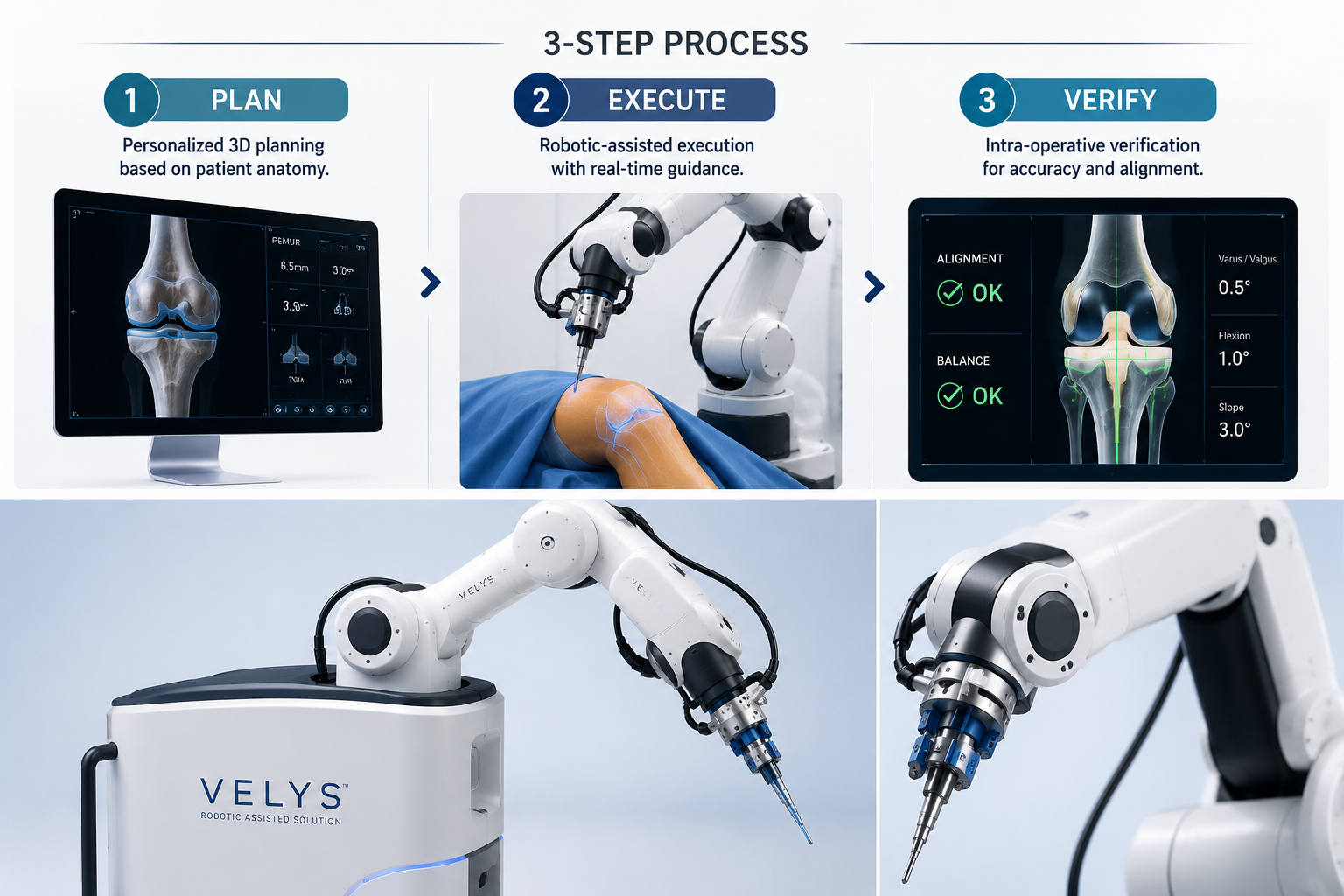
Verify. Before the procedure concludes, the system allows the surgeon to check and fine-tune alignment, soft-tissue balance, and joint stability, so any adjustment can be made in the same sitting rather than discovered afterwards.
Imageless – no CT scan required. One of the most practical advantages of VELYS is that it is an imageless platform. Unlike some robotic systems that require a dedicated pre-operative CT scan, VELYS builds its surgical plan directly from the patient’s anatomy during the procedure itself. That means no separate CT appointment, no extra radiation exposure, and no scan-to-surgery waiting period – the planning and the surgery happen in the same visit.
For implants, the platform is paired with the ATTUNE™ Knee System for total knee replacement and the SIGMA™ High Performance (HP) Partial Knee System for partial knee replacement, giving the surgeon real-time feedback on alignment, soft-tissue balance, and joint stability throughout the case.
Total and Partial Knee Replacement on One Platform
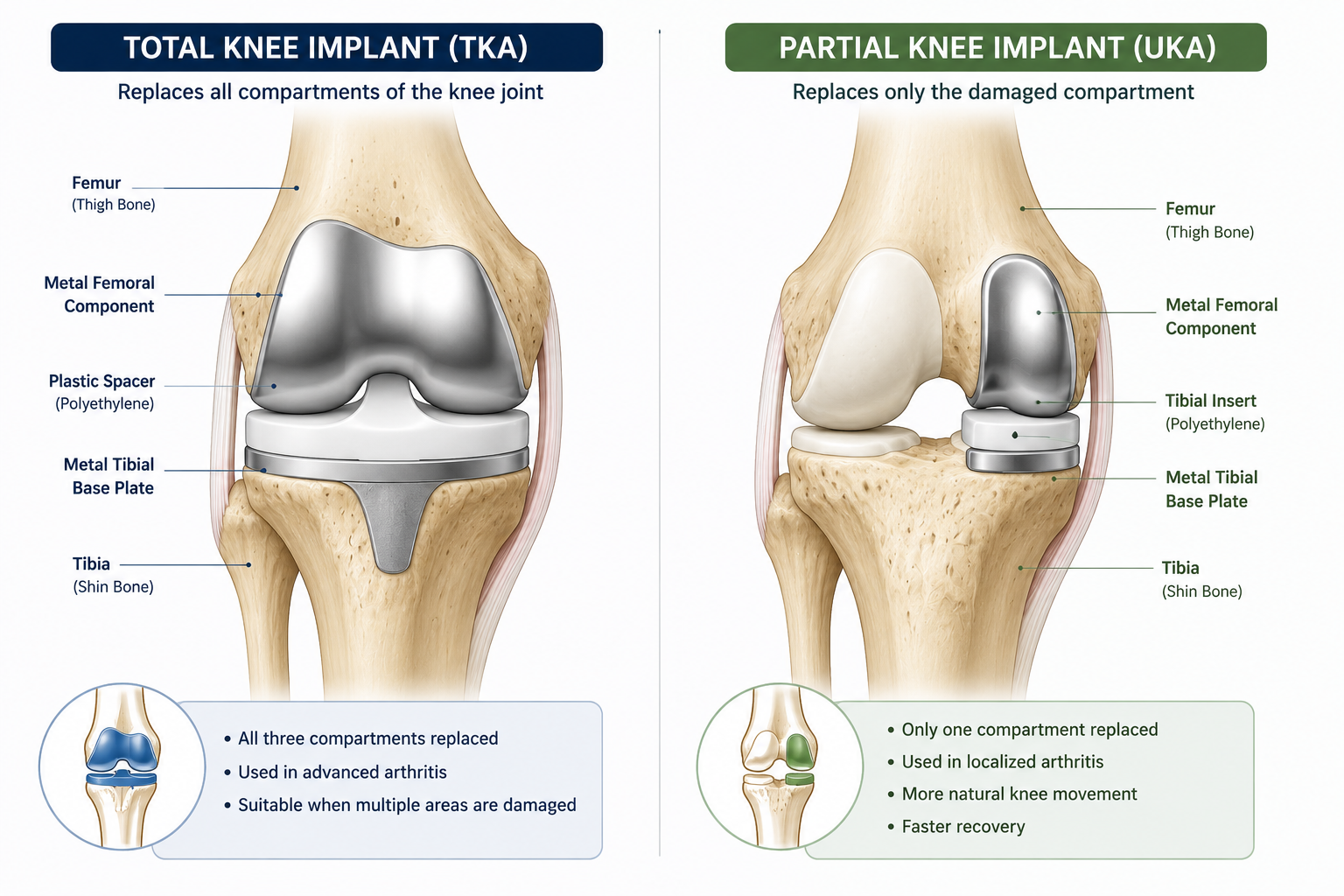
A distinguishing feature of the VELYS system is that it is cleared for both total knee replacement (TKA) and partial/unicompartmental knee replacement (UKA) – the two procedures aren’t handled by separate technologies, but by one platform adapted to the extent of the patient’s joint damage.
This matters more than it might first appear. Many hospitals that introduce robotic knee surgery are, in effect, learning partial knee replacement for the first time alongside the robot. At Ashutosh Hospital, the sequence runs the other way: Dr. Kunal Shah was already Vadodara’s pioneering partial-knee (Microplasty) surgeon, with years of hands-on expertise in preserving healthy bone and ligament in appropriately selected patients. The robotic platform extends and reinforces that existing specialty with an added layer of precision – rather than being the starting point of it.
For patients, the practical takeaway is this: the decision between total and partial knee replacement is made on clinical grounds specific to your knee, not on which technology the hospital happens to own.
Why Robotic Precision Matters in Knee Replacement
Implant alignment and positioning are among the factors that surgeons and researchers associate with how a replaced knee ultimately feels and performs over time. The aim of robotic assistance is to make that alignment as accurate and as consistent as possible, case after case – not to promise a specific outcome for any individual patient.
In practical terms, robotic-assisted planning is designed to support:
- Accurate, patient-specific alignment – matching the implant position to the patient’s own anatomy rather than a generic template.
- Soft-tissue preservation – helping the surgeon balance ligament tension around the joint during planning and execution.
- Consistency of execution – reducing the small variations that can occur with manual instrumentation alone.
Published studies have suggested potential benefits associated with robotic assistance in areas such as early recovery and implant positioning accuracy. These findings are worth noting, but they describe trends observed across groups of patients – they are not a guarantee of a particular result for any one person. Every patient’s anatomy, health background, and rehabilitation response are different, and this is best discussed individually during a consultation.
Surgeon-led: Dr. Kunal Shah
Robotic assistance is only as good as the surgeon directing it, and at Ashutosh Hospital, every robotic-assisted knee replacement is planned and performed by Dr. Kunal Shah, MS (Orthopaedics) – Director & Consultant Orthopaedic Surgeon, Germany fellowship-trained in joint replacement, and the surgeon who first established Microplasty (partial knee replacement) as a treatment option in Vadodara. The robotic arm assists with precision; the decisions – what to operate on, how much to preserve, when to adjust – remain entirely the surgeon’s.
Dr. Kunal Shah’s work continues a three-generation arc of orthopaedic innovation in Vadodara. Dr. Ajay Shah first brought the image intensifier to the city, changing how orthopaedic surgery could be guided in real time. Dr. Kunal Shah went on to pioneer Microplasty, partial knee replacement, in Vadodara. Robotic-assisted knee replacement is the next chapter in that same line of continually raising the standard of joint replacement care available locally.
Robotic Knee Replacement in Vadodara: World-class Care, Close to Home
One of the most common reasons patients in Central Gujarat delay knee replacement is the assumption that advanced, technology-led surgery means travelling to Ahmedabad or Mumbai. Robotic-assisted knee replacement at Ashutosh Hospital changes that equation: the same VELYS™ platform used at leading metro centres is available in Vadodara, under the direct care of a surgeon with an established local track record.
This matters most for patients across the wider Central Gujarat / Charotar catchment – including those travelling in from Anand, Nadiad, Bharuch, Godhra, and Halol – for whom a metro trip for surgery and follow-up visits adds real cost, time, and difficulty, especially for older patients or those with mobility already limited by knee pain.
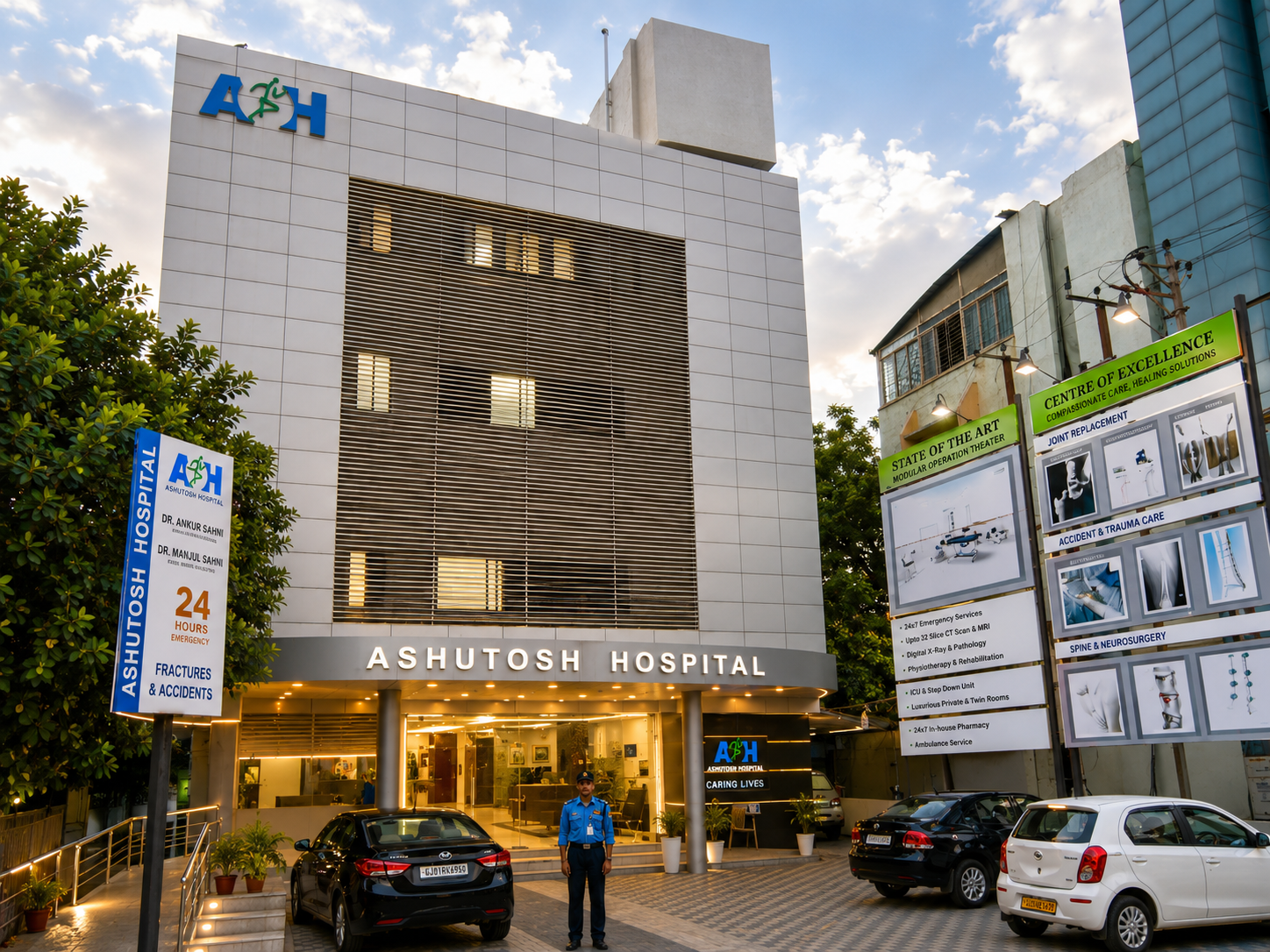
Ashutosh Hospital is NABH-accredited and located near Akshar Chowk, Muj Mahuda, Vadodara – accessible from across the city and the surrounding districts, with the full surgical, anaesthesia, and rehabilitation infrastructure that robotic-assisted joint replacement requires.
Are You a Candidate for Robotic Knee Replacement?
Robotic-assisted knee replacement, whether total or partial, is typically considered for patients with:
- Advanced knee arthritis confirmed on clinical and radiological assessment.
- Persistent knee pain that has not responded to conservative treatments such as medication, physiotherapy, or injections.
- Limited mobility or difficulty with daily activities caused by knee joint damage.
Whether a patient is a suitable candidate – and whether total or partial knee replacement is the right approach – can only be determined through a clinical assessment by an orthopaedic surgeon. This page is intended to inform, not to diagnose; if you’re experiencing ongoing knee pain, the next step is a consultation with Dr. Kunal Shah to evaluate your specific case.
What to Expect: Your Journey
While every patient’s plan is individualised, robotic-assisted knee replacement at Ashutosh Hospital generally follows this path:
- Consultation & assessment – clinical examination, imaging, and a discussion of whether total or partial knee replacement is appropriate.
- Pre-operative planning – since VELYS is imageless, this stage does not require a separate CT scan; detailed planning happens intra-operatively.
- Surgery – the robotic-assisted procedure, performed and directed by Dr. Kunal Shah.
- Early mobilisation – supported movement in the hospital under clinical supervision, as appropriate to the individual patient.
- Physiotherapy & rehabilitation – a structured programme to guide strength and mobility recovery.
- Follow-up – scheduled review visits to track healing and progress.
Recovery timelines vary from patient to patient depending on age, general health, and the type of procedure performed, so this outline is intended as a general guide rather than a fixed schedule.
Frequently Asked Questions
What is robotic knee replacement?
Robotic knee replacement is a surgical technique in which the orthopaedic surgeon uses a robotic-assisted system to plan and execute the procedure with high precision. The surgeon performs the operation; the robot assists with accurate bone preparation and implant alignment based on the patient’s own anatomy.
Does the robot perform the surgery on its own?
No. Robotic-assisted knee replacement is surgeon-led. Dr. Kunal Shah plans and performs the entire procedure; the VELYS platform enhances the precision of execution but does not operate independently.
Does robotic knee replacement need a CT scan?
No. The VELYS™ system used at Ashutosh Hospital is imageless, so it does not require a pre-operative CT scan. Planning is done from the patient’s anatomy during surgery, which avoids the added radiation and cost of a separate CT.
Can robotics be used for partial knee replacement?
Yes. The VELYS platform is cleared for both total (TKA) and partial/unicompartmental (UKA) knee replacement. At Ashutosh Hospital, robotic assistance builds on Dr. Kunal Shah’s established partial-knee (Microplasty) expertise.
Is robotic knee replacement better than traditional surgery?
Robotic assistance is designed to improve the accuracy of implant alignment and positioning and to help preserve soft tissue. Published studies suggest potential benefits in these areas; individual results depend on the patient’s condition and are best discussed during a clinical consultation.
How long is recovery after robotic knee replacement?
Recovery varies by individual and by whether the procedure is total or partial. A structured physiotherapy and rehabilitation programme guides mobility recovery. Your surgeon will give a recovery plan specific to your case.
What does robotic knee replacement cost in Vadodara?
Cost depends on the type of procedure, the implant chosen, and the individual case. Ashutosh Hospital offers metro-standard robotic technology in Vadodara without the need to travel to a larger city. Contact the hospital for a case-specific estimate.
How do I know if I'm a candidate?
Candidacy is determined by a clinical assessment of your knee – typically for advanced arthritis, persistent pain, or limited mobility that hasn’t responded to conservative treatment. Book a consultation with Dr. Kunal Shah to find out whether total or partial robotic knee replacement suits you.