
Back Pain & Sciatica Treatment Without Surgery in Vadodara
Home > Back Pain & Sciatica Treatment Without Surgery in Vadodara
If your back pain or leg pain has you worried about surgery, here is the reassuring truth: the large majority of back pain and sciatica improves without an operation. At Ashutosh Hospital, surgery is the last resort, not the first – and most patients who walk through our doors never need it.
What they do need is an accurate diagnosis and the right non-surgical treatment, started early. That is exactly where our Spine Unit focuses.
Why Most Back Pain Does not Need Surgery
Back pain has many causes, and most of them respond well to non-surgical care. Muscular strain, early disc degeneration, and most cases of sciatica settle with the right combination of rest, targeted physiotherapy, medication, and – where needed – precise image-guided injections. Rushing to surgery without first trying these is rarely in the patient’s interest.
This is not a marginal claim. We see more than 40 patients with back and neck pain every day, and the large majority are managed very well without surgery, using protocols our team has refined over years of practice.
Common Causes We Treat
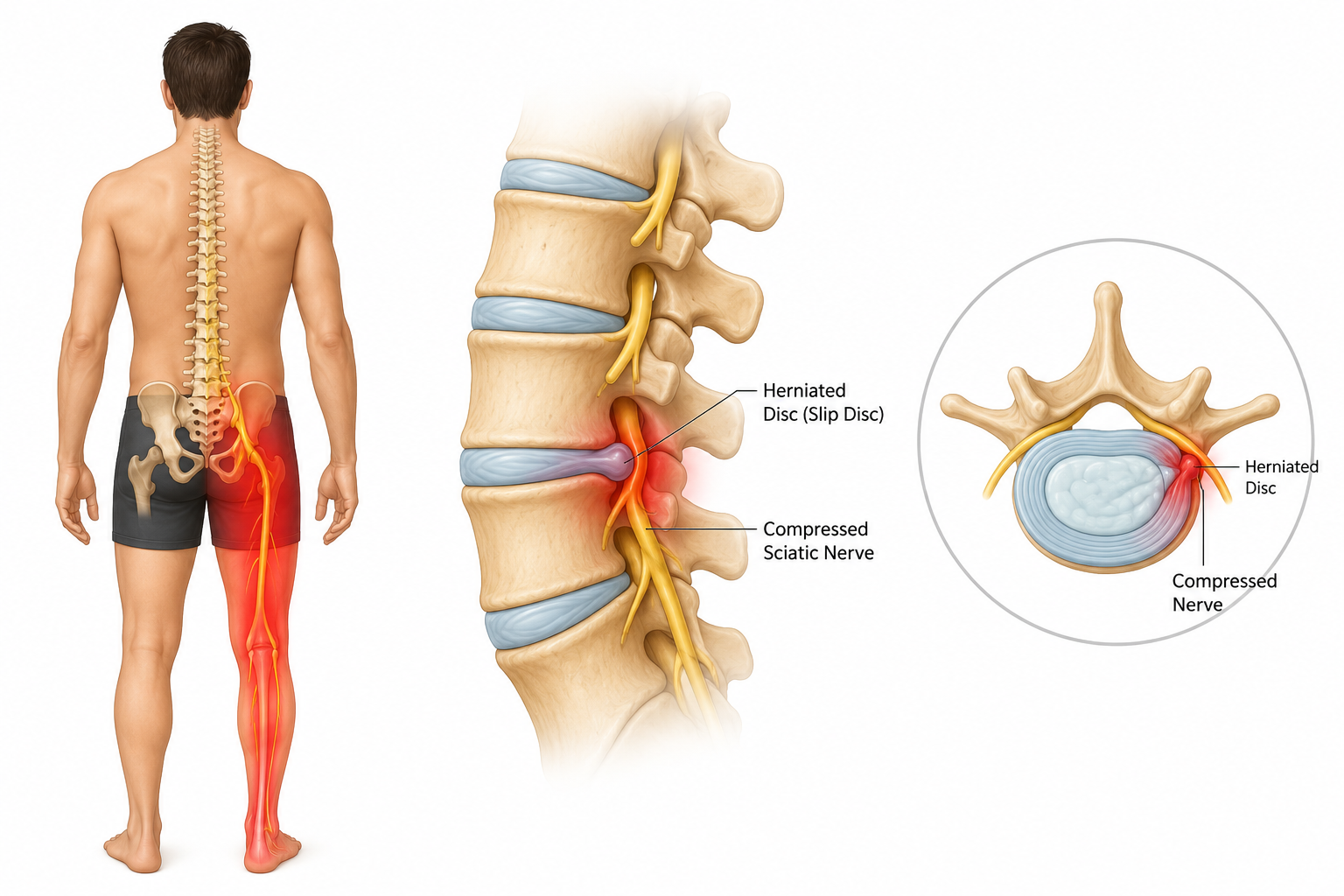
- Slip disc (herniated disc) – the most common cause of sciatica, where a spinal disc presses on a nerve
- Sciatica – sharp, shooting pain down the leg, usually from nerve irritation in the lower back
- Muscular and postural back pain – extremely common, and very responsive to physiotherapy
- Degenerative spine changes – age-related wear in the discs and joints
- Spinal stenosis – narrowing of the spinal canal causing back and leg pain
Our Non-Surgical Approach
Accurate diagnosis first. Careful clinical examination combined with the right imaging tells us exactly what is causing the pain. In most cases an MRI is important for an accurate diagnosis – it gives the clearest picture of the discs, nerves, and soft tissues, so treatment is precisely targeted rather than guesswork.
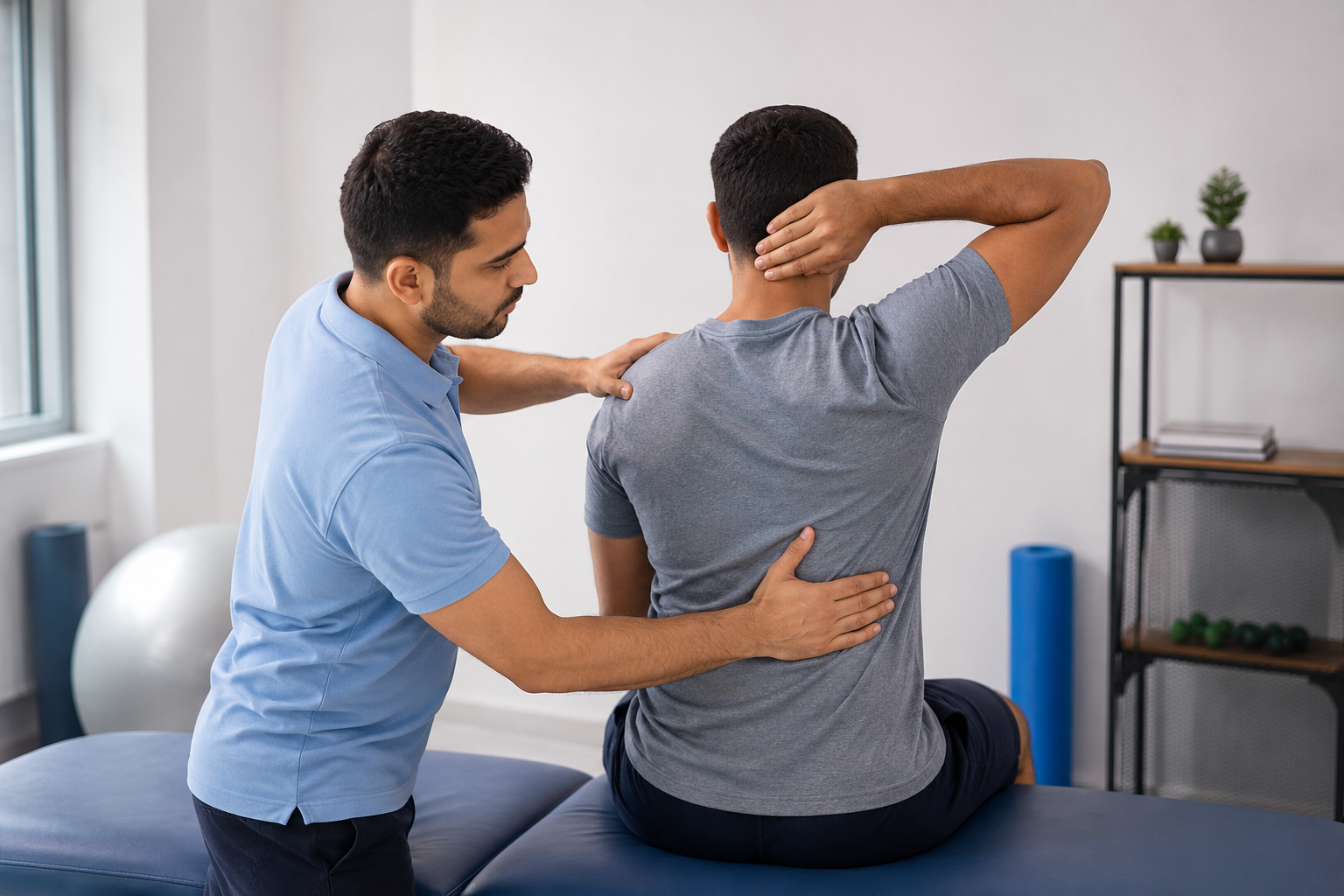
Physiotherapy and rehabilitation. Our spinal physiotherapists are specifically trained in spine rehabilitation. For most patients, a structured programme to strengthen the core and correct posture is the single most effective treatment.
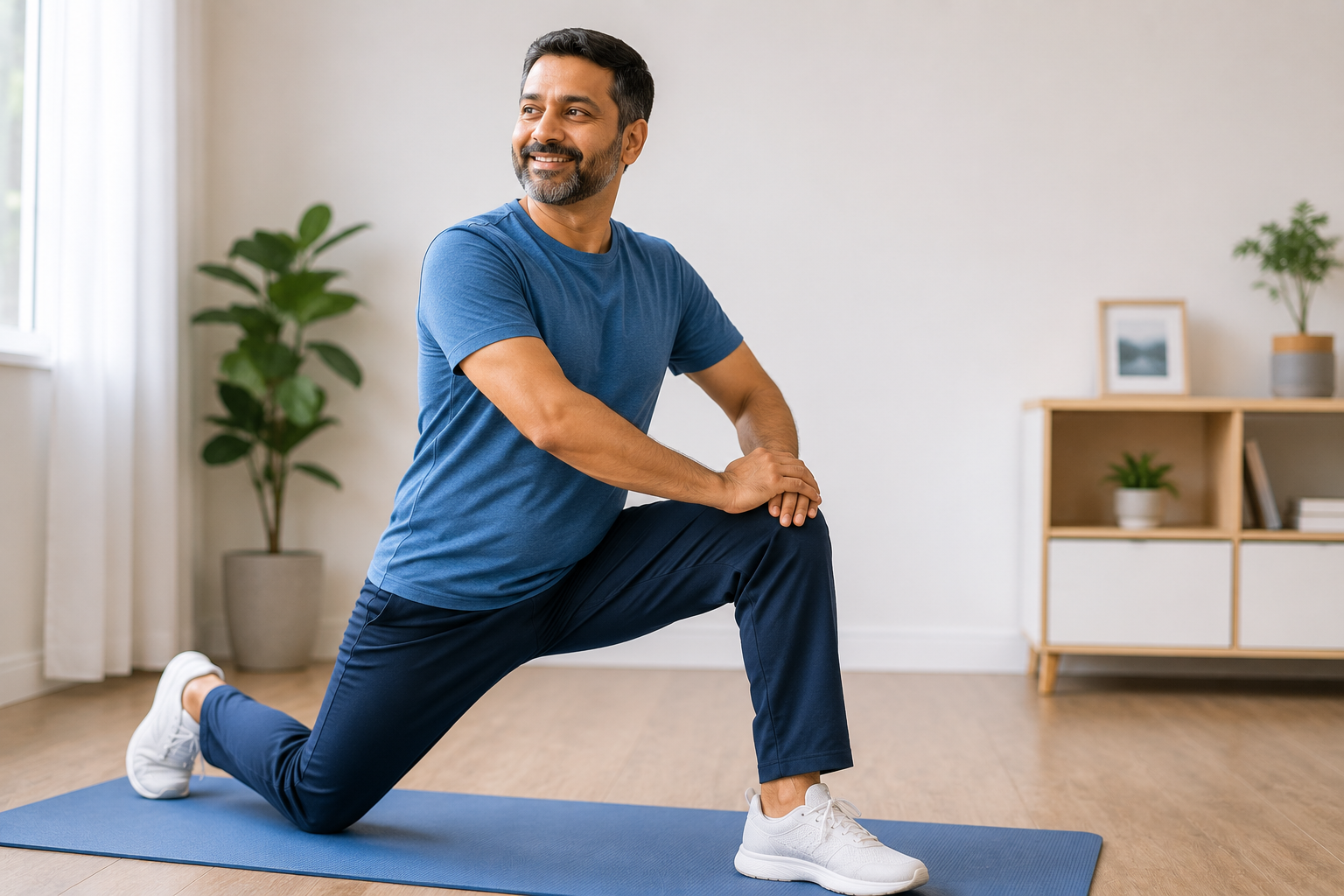
Medication and lifestyle guidance. Short-term pain relief combined with practical advice on activity, ergonomics, and movement helps break the pain cycle.
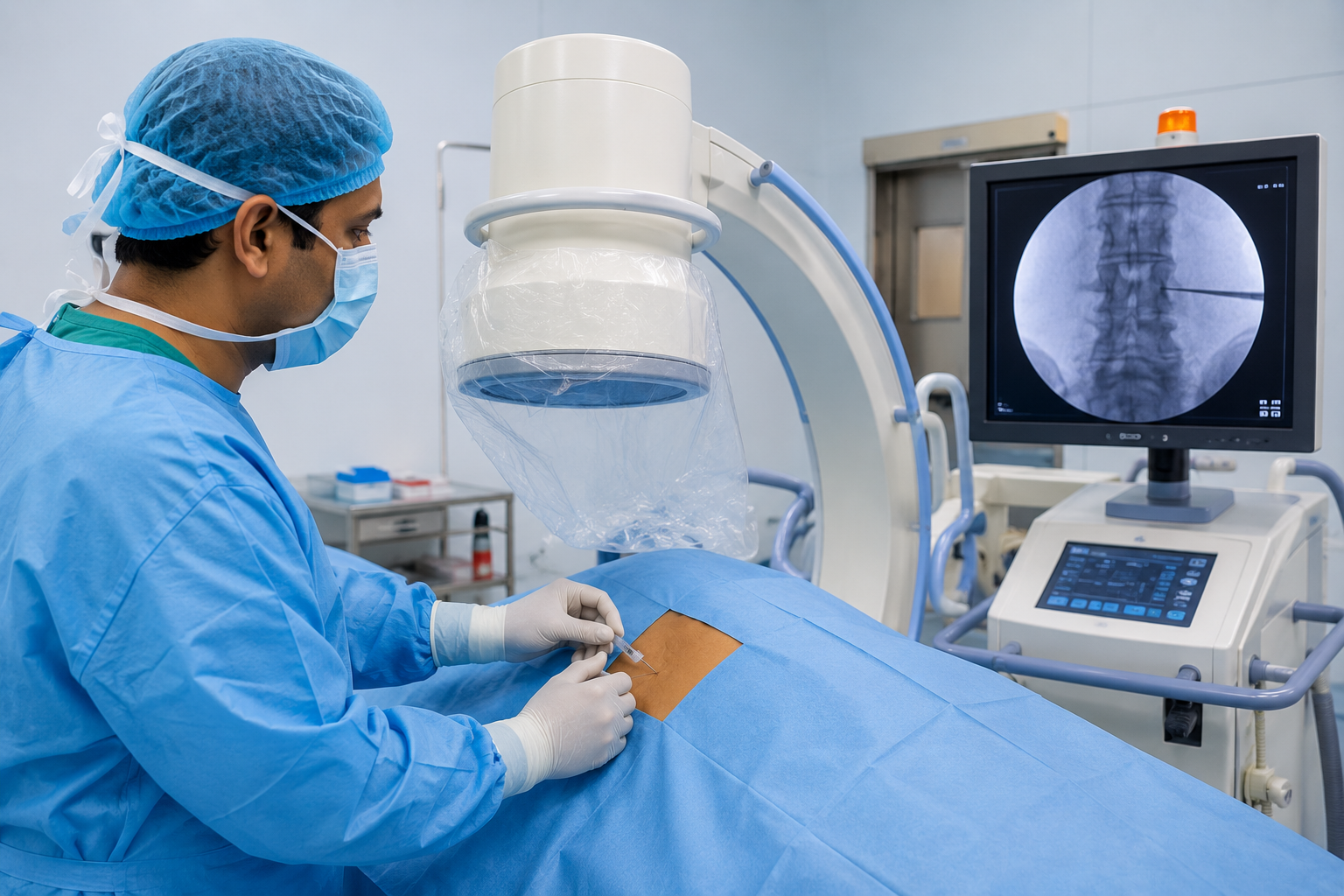
Image-guided pain management. When pain is nerve-related and persistent, precisely targeted nerve root blocks and epidural injections – performed under image guidance – can give significant relief and, in many patients, help avoid surgery altogether.
When Surgery is Needed – Being Honest
A small number of patients do need surgery, and it is important to know the warning signs. Progressive weakness in a leg, loss of bladder or bowel control, or severe pain that does not settle despite proper non-surgical treatment are reasons to be assessed promptly. In these situations, our Spine Unit offers advanced minimally invasive, microscopic, and endoscopic options. But for the majority, we exhaust non-surgical care first.
Why Patients Choose Ashutosh Hospital
As an NABH-accredited orthopaedic super-speciality hospital, we bring diagnosis, physiotherapy, pain management, and – if ever required – surgery together under one roof. Our diagnosis-first, surgery-last philosophy means you get an honest assessment of whether you truly need an operation, from a team that performs spine surgery but doesn’t rush to it.
Frequently Asked Questions
Can a slip disc heal without surgery?
Yes – most herniated discs improve with non-surgical treatment over several weeks. Physiotherapy, activity modification, medication, and sometimes image-guided injections allow the majority of patients to recover without an operation.
How do I know if my back pain is serious?
Most back pain is not dangerous. But pain with progressive leg weakness, numbness in the groin area, or loss of bladder/bowel control needs urgent assessment. When in doubt, get examined.
Will an injection cure my sciatica?
For many patients with nerve-related leg pain, an image-guided nerve root block or epidural injection provides significant relief and helps avoid surgery. Whether it suits you depends on your diagnosis.
How long does non-surgical recovery take?
Many patients improve noticeably within a few weeks of starting the right treatment, though full recovery varies by cause and individual.
Do I need an MRI for back pain?
In most cases, yes. An MRI gives the clearest view of the discs, nerves, and soft tissues, and for the majority of patients it is important for an accurate diagnosis – which is the foundation of the right treatment.