Early Knee Arthritis Treatment in Vadodara
Home > Early Knee Arthritis Treatment in Vadodara
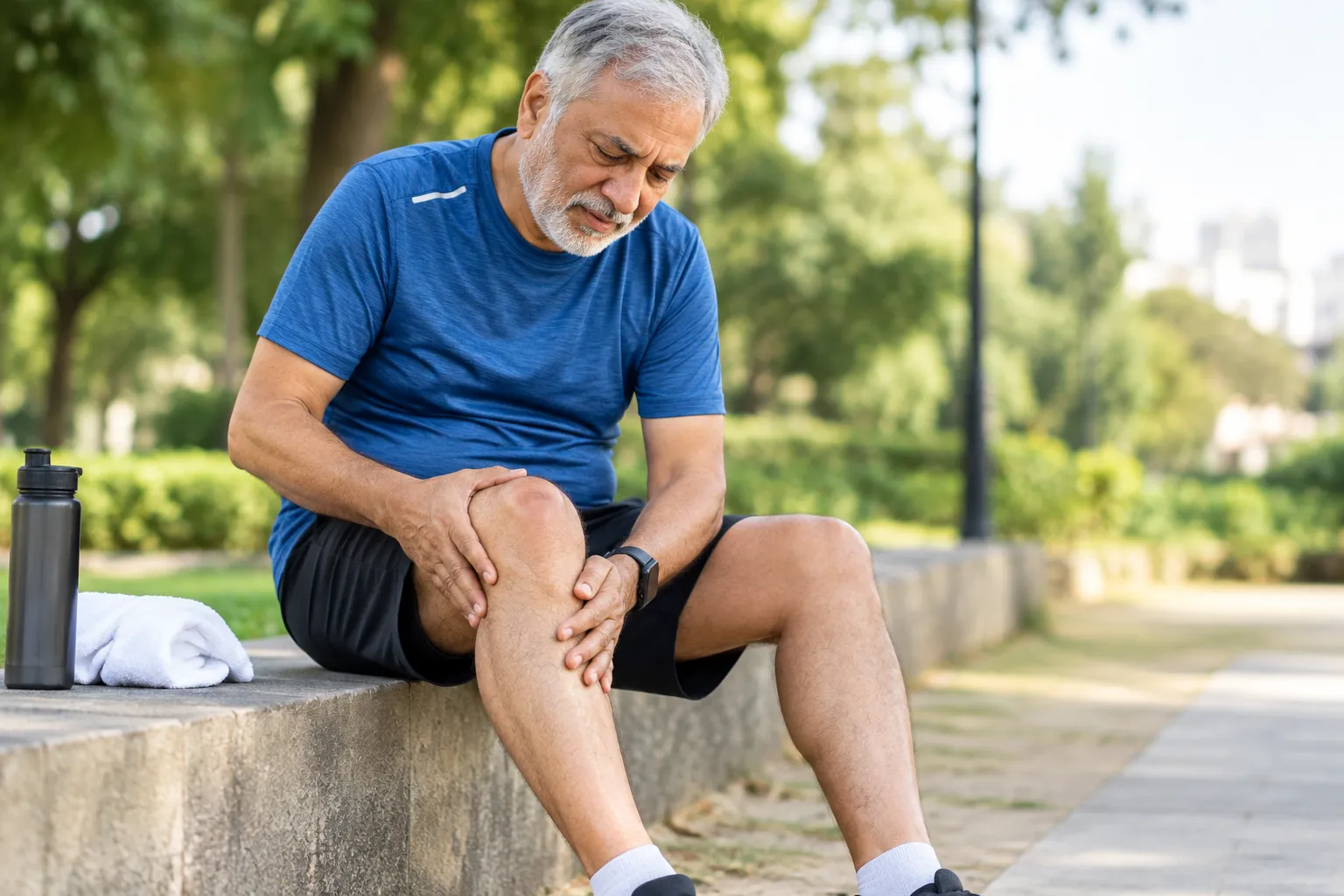
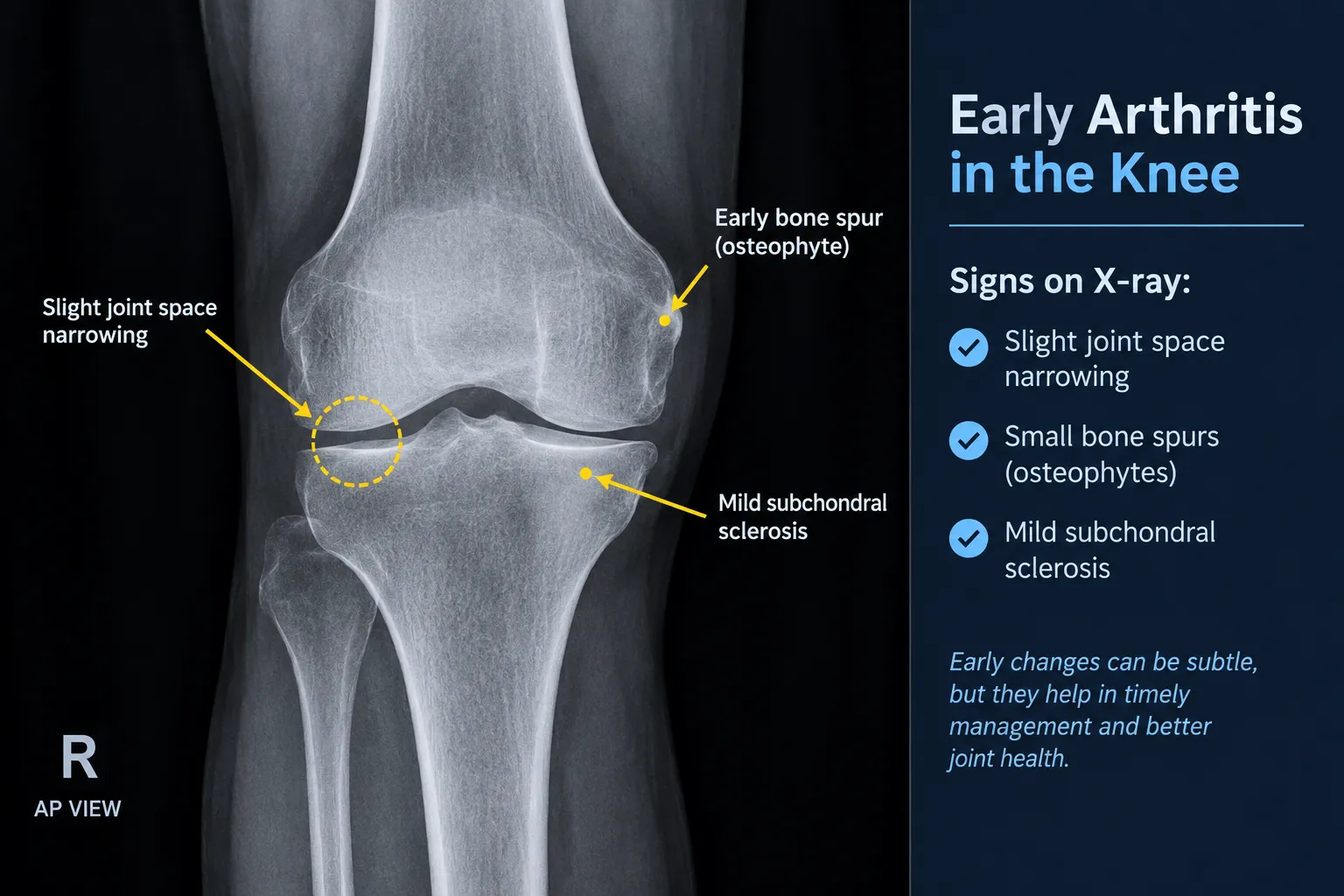
Knee arthritis rarely arrives overnight. It starts small. An ache after a long walk. Some stiffness getting up off the floor. A knee that complains on the stairs. Most people put up with it for months before they mention it to anyone. That early stretch is a pity to waste, because it is exactly when treatment works best and when surgery is easiest to stay away from.
If someone has told you that you have early osteoarthritis of the knee, or you suspect it yourself, our aim at Ashutosh Hospital is straightforward. Settle the pain, protect the knee you still have, and keep you away from an operation for as long as possible. For many people, that means for good.
How Early Knee Arthritis Usually Shows Up
The first signs are the ones people talk themselves out of:
- Pain after activity that settles with rest
- Stiffness in the morning that loosens once you get moving
- Trouble with stairs, squatting, or sitting cross-legged
- A grinding or creaking feeling inside the joint
- A little swelling after a heavy day
This last point about squatting and floor-sitting matters more here than it would in the West. So much of daily life in our homes loads the knee deeply, from sitting cross-legged to squatting to prayer, and it is often the loss of those everyday movements, rather than the pain itself, that finally brings a patient in.
Why Catching It Early Is Worth So Much
Once cartilage wears away, it does not grow back. So the sooner arthritis is found, the more of your own knee there is left to protect. Early on we have treatments that do not involve surgery at all, and they work far better on a knee that is only mildly worn than on one that is badly damaged. Wait too long and those same treatments do less for you, and a replacement becomes the main option left on the table.
How We Treat It
Every knee is at a slightly different stage, so we match the plan to yours after an examination and imaging, usually an X-ray, with an MRI when it tells us something useful.
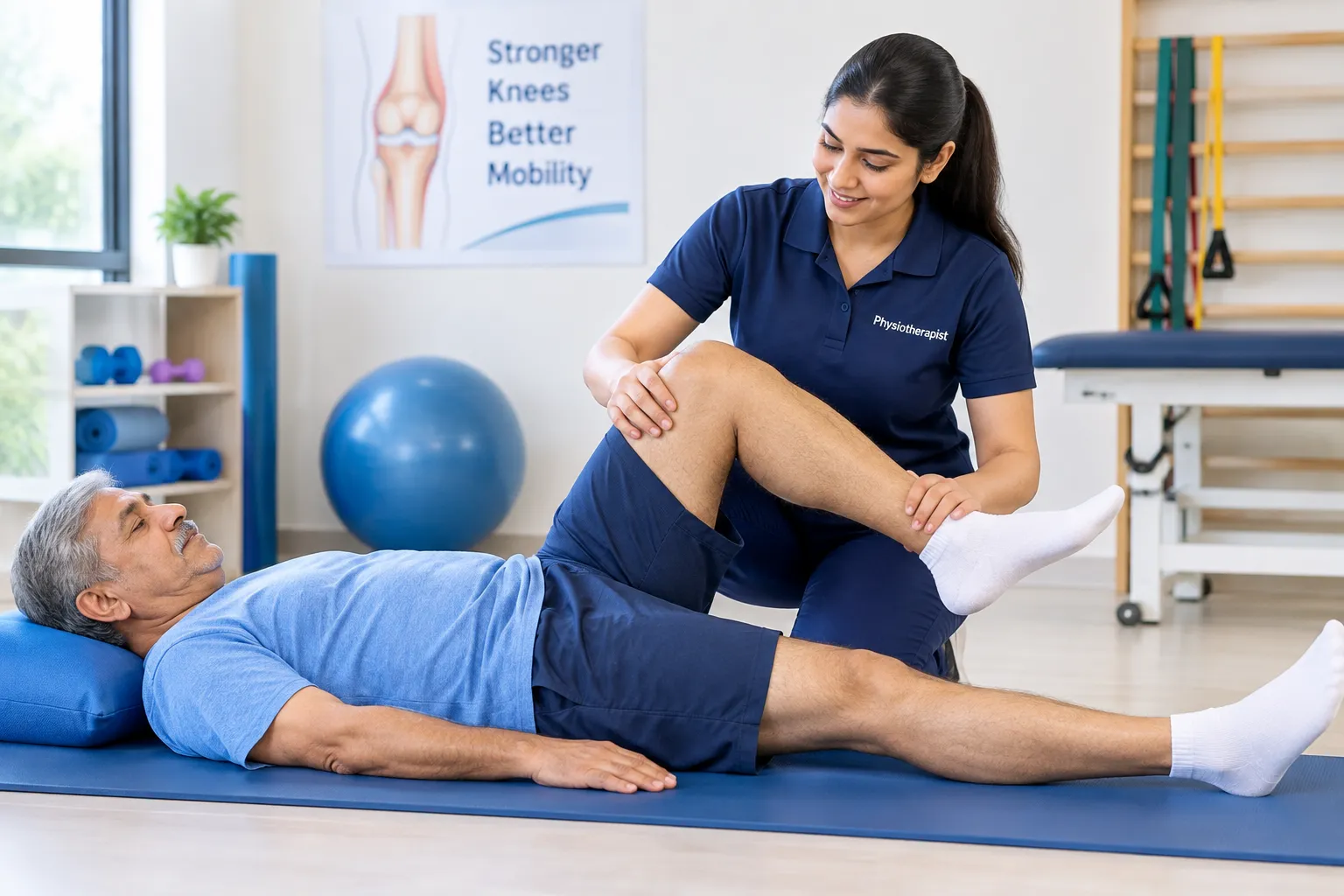
Movement, weight and physiotherapy. Not the most exciting treatment, and also the one that does the most heavy lifting. A physiotherapy programme built around your knee, strengthening the muscles that carry it and fixing the way you move, helps early arthritis more than most patients expect. Where extra weight is part of the picture, even a small reduction lifts a real load off the joint.
Medication and simple measures. A short course of the right medication, a few changes to how you use the knee, and occasionally a brace, can settle a painful phase and get you going again.
PRP (platelet-rich plasma). In early arthritis, PRP is one of the better tools we have for the right patient. We draw a small sample of your own blood, spin it to concentrate the platelets that carry your body’s healing factors, and inject that back into the knee. It can quieten the inflammation and take the edge off the pain, using nothing but your own biology, with no foreign material and no question of rejection, all as a day-care procedure. It will not rebuild a joint that is already worn out, and we will say so plainly if your arthritis has gone past the point where it helps. Used at the right time, though, it can buy you comfortable, active years.
When the knee needs more. If the wear is limited to one side of the knee, or your legs are bowed, a joint-preserving operation such as Microplasty partial knee replacement or a knee realignment for bow legs is often the smarter move, well before anyone reaches for a total replacement.
Why Come to Ashutosh Hospital
We do knee replacements every week, which is precisely why we can tell when a knee does not need one. Since we offer the whole range under one roof, from a PRP injection to a full replacement, the advice you walk out with is about your knee, not about the single procedure a clinic happens to sell. Under Dr. Kunal Shah, the leaning here is always towards keeping your own knee working for as long as it can.